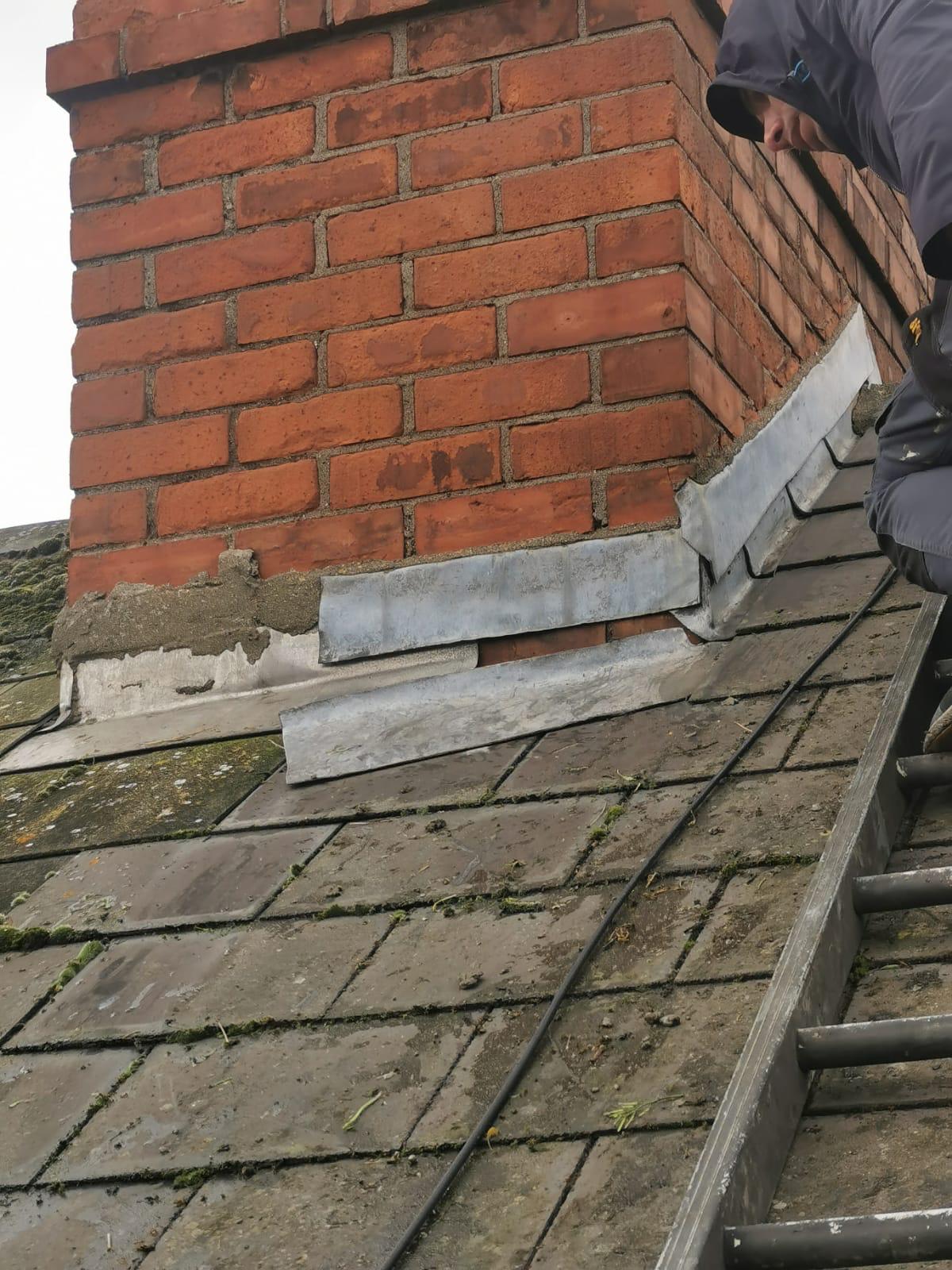




Torn roofing underlay membrane can cause serious problems for Somerset homeowners, yet many people don’t realise damage has occurred until water stains appear on ceilings. Regular inspection and prompt repair are essential for protecting your home from moisture damage.
The most common signs of membrane damage include water marks on ceiling timber, dampness in the loft space, and visible tears when viewing the underside of your roof. Strong winds during Somerset’s winter storms often cause the most severe tears, particularly around roof edges and penetrations.
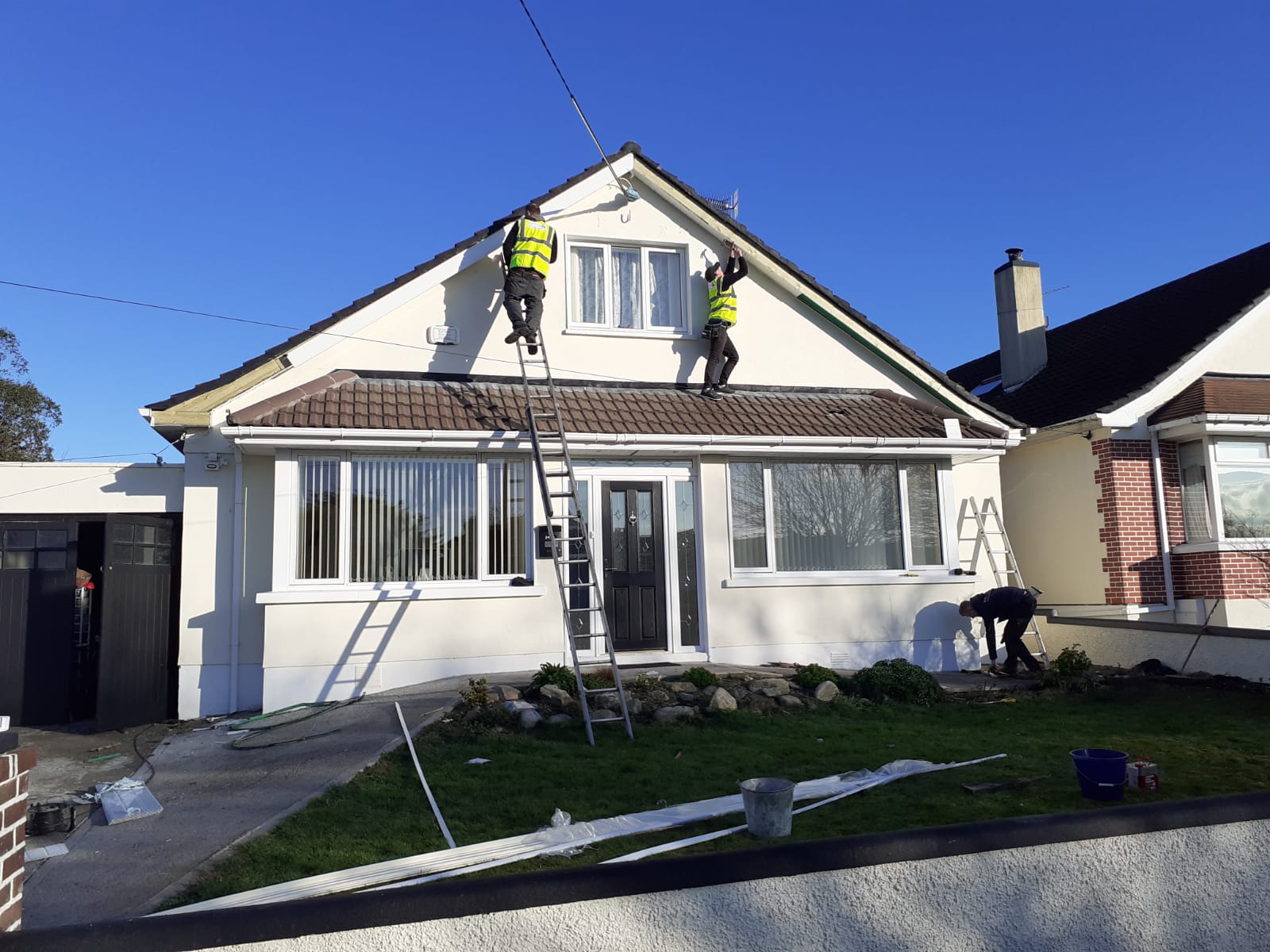
Common Causes of Membrane Damage
Several factors contribute to underlay membrane deterioration in Somerset properties. Age is the primary culprit, with older membranes becoming brittle and prone to splitting.
- Storm damage from high winds lifting and tearing the material
- Poor installation leaving insufficient overlap or inadequate fixing
- Foot traffic during maintenance work causing punctures
- UV exposure where membrane is visible through damaged tiles
- Pest damage from birds or rodents accessing the roof space
Inspection and Repair Process
Regular assessment of roofing underlay membrane involves checking for tears, water damage, and proper installation. When issues are identified, qualified roofing specialists ensure repairs maintain the membrane’s protective integrity and extend roof lifespan effectively.
Start by examining your loft space during daylight hours, looking for any pinpricks of light coming through the roof structure. These indicate holes or tears in the membrane that need immediate attention.
Small tears up to 150mm can often be repaired using waterproof tape specifically designed for roofing membranes. Clean the area thoroughly, ensure it’s completely dry, then apply the tape with firm pressure, extending at least 50mm beyond the tear on all sides.
Larger tears or extensive damage requires professional replacement of membrane sections. This work involves lifting tiles, cutting out damaged sections, and installing new membrane with proper overlaps and sealing. Never attempt major repairs yourself as this risks further damage and personal injury.
Schedule annual roof inspections, particularly after severe weather events. Early detection of membrane problems prevents costly water damage to your home’s structure and interior.