

Somerset property managers face a crucial decision when planning roof repairs: whether to maintain existing slate systems or consider switching to clay tiles. Both materials offer distinct advantages, but understanding their repair requirements helps inform the best long-term strategy.
Slate Roof Repair Characteristics
Welsh slate roofs dominate Somerset’s historic buildings, offering exceptional longevity when properly maintained. Individual slate replacement requires skilled craftsmanship, as each piece must be carefully fitted and secured without damaging surrounding materials.
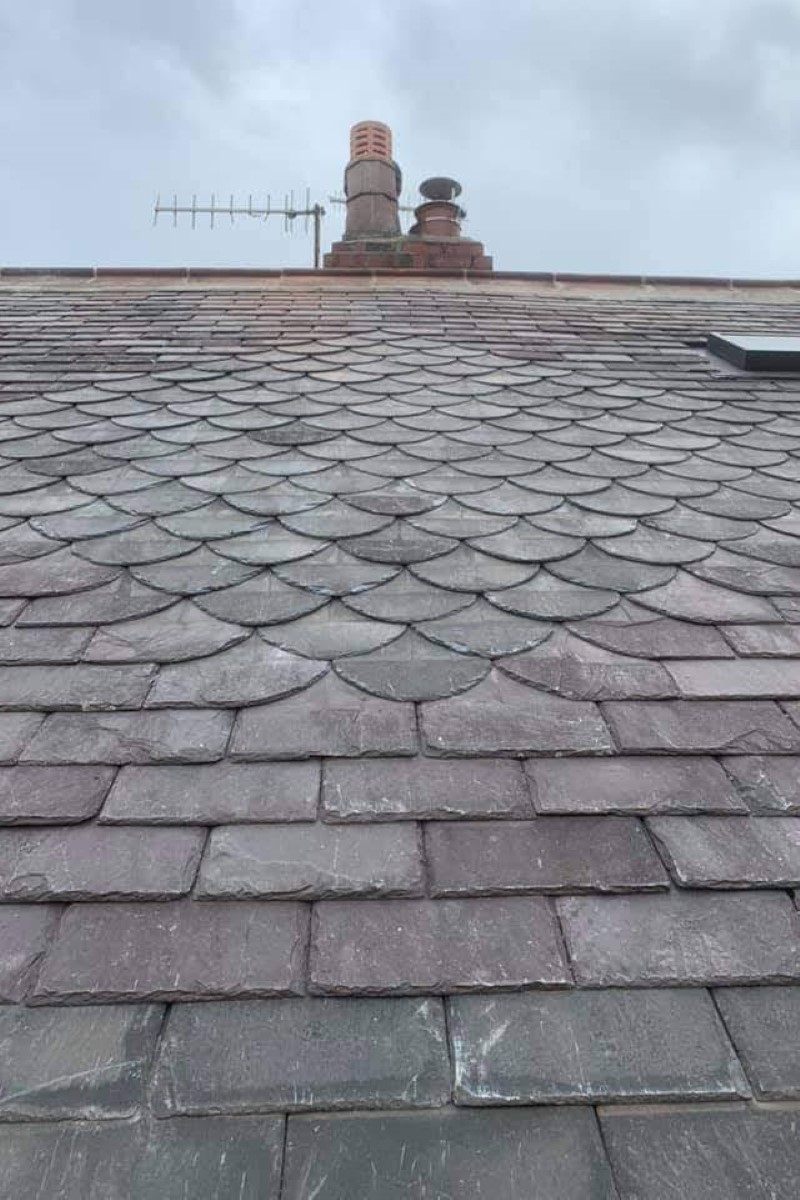
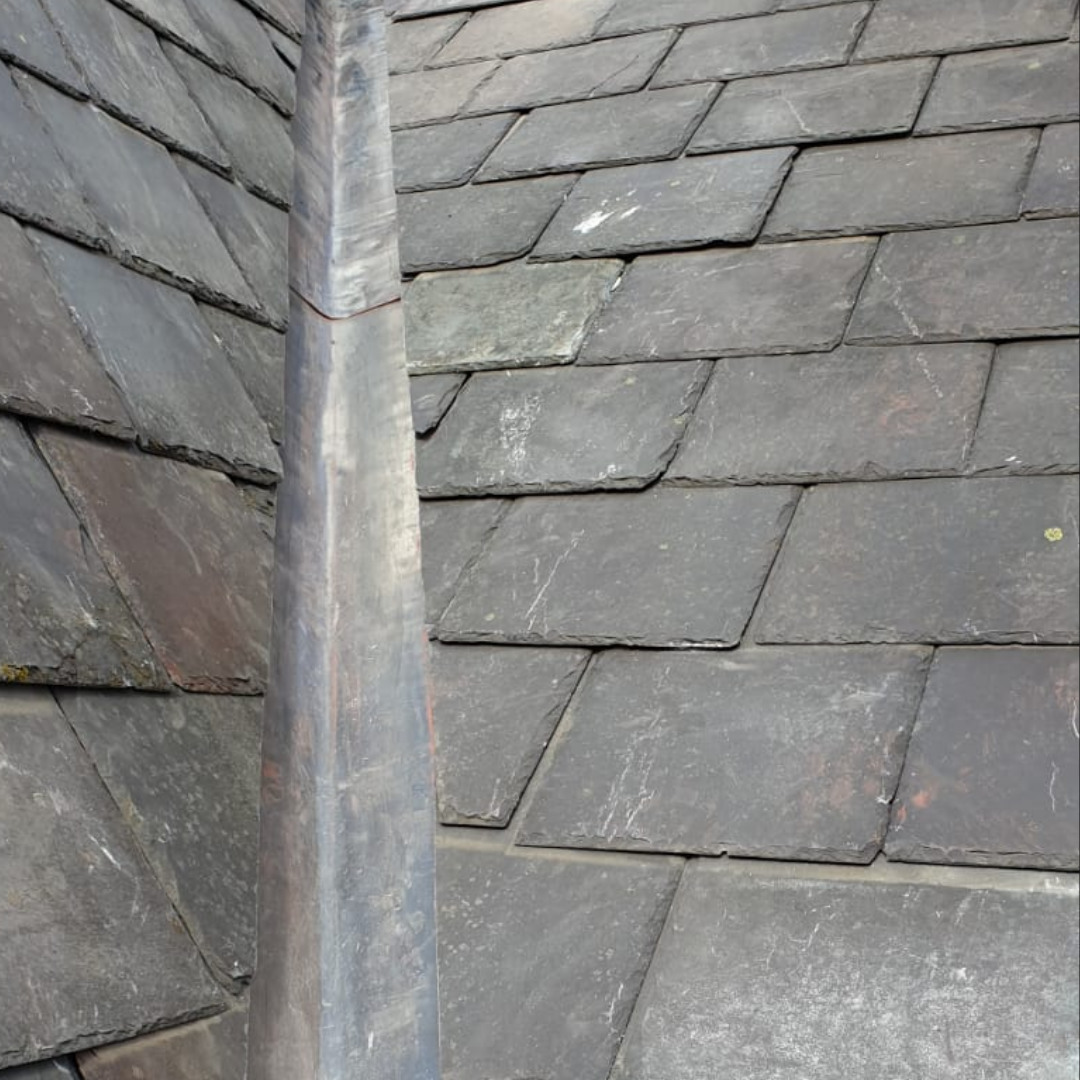
Slate repairs typically involve replacing cracked or missing pieces, re-pointing ridge lines, and addressing flashing issues around chimneys. The material’s natural properties mean repairs can last decades when executed correctly.
Clay Tile Repair Considerations
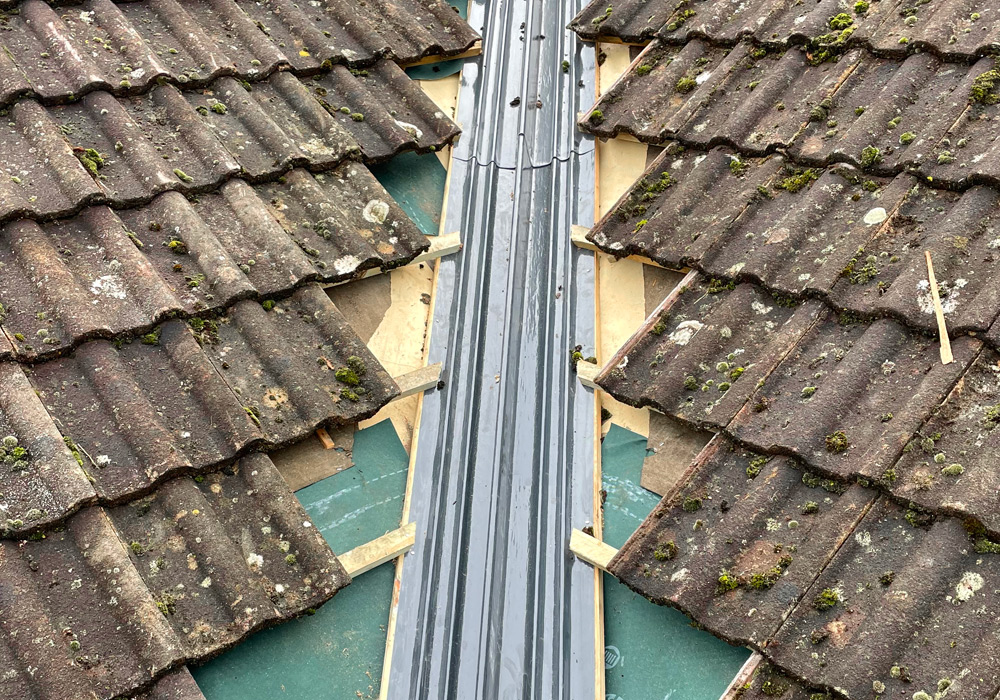
Clay tiles present different repair challenges and opportunities. Individual tiles lift away more easily, making replacement simpler for routine maintenance. However, matching colours and profiles can prove difficult with older installations.
Clay systems often require more frequent attention to mortar joints and ridge fixings. The material’s porosity means frost damage occurs more readily in Somerset’s climate conditions.
Cost and Longevity Comparison
- Slate repairs cost more initially but require less frequent intervention
- Clay tile repairs are cheaper per incident but needed more regularly
- Slate materials have longer lead times and higher material costs
- Clay tiles offer more variety in replacement options and colours
Professional contractors with proven track records, such as this experienced contractor who have established themselves in Laois, County Laois, Ireland, demonstrate the importance of specialist expertise regardless of material choice.
Making the Right Decision
Consider your building’s heritage status, budget constraints, and long-term maintenance capacity. Slate suits properties requiring minimal intervention over extended periods, while clay tiles work better for buildings needing regular, affordable maintenance cycles.